
Overview
Although the manufacture and use of asbestos are now prohibited, asbestos is still present in various parts of existing buildings. Therefore, when such buildings are demolished or renovated, it is necessary to confirm that no asbestos fibers are being released. In addition, facilities containing asbestos building materials or those where asbestos-containing areas have been enclosed or encapsulated require regular monitoring for airborne asbestos. Our experienced staff provide consultation and support for a wide range of asbestos investigation and analysis needs according to the requirements of each project.
Applications
Our services are mainly used in the following three situations.
Monitoring During Building Demolition and Renovation
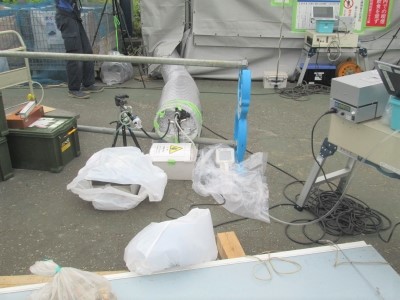
During the demolition or renovation of buildings containing asbestos materials, it is necessary to monitor the surrounding area throughout the construction period to confirm that asbestos fibers are not being dispersed into the air.
Routine Building Maintenance
Health risks caused by asbestos fibers released from deteriorated building materials have been reported. Appropriate inspections and management are therefore essential for the continued safe use of buildings.
Monitoring at Disaster Waste Sites and Collapsed Buildings
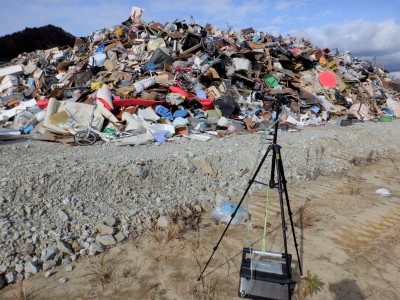
To prevent asbestos dispersion following disasters, we conduct visual inspections of collapsed, partially collapsed, or damaged buildings and debris storage sites, as well as airborne asbestos monitoring.
Workflow for Airborne Asbestos Concentration Surveys (After Request)
Local government ordinances and other regulations require airborne asbestos concentration surveys to confirm asbestos dispersion during the demolition, renovation, or asbestos removal of buildings containing asbestos materials.
We investigate whether asbestos fibers are being released due to the deterioration of asbestos-containing building materials in existing buildings.
We also recommend periodic airborne asbestos surveys as part of workplace environmental management.
- Step 1
- Sample Collection
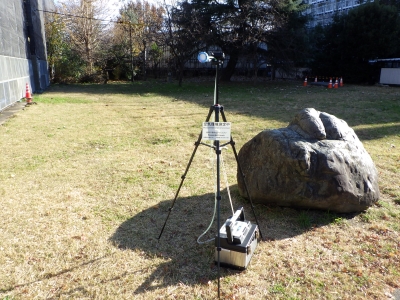
Survey locations and the number of sampling sessions are determined based on the construction schedule and building usage.
All surveys are conducted in accordance with the Asbestos Monitoring Manual and applicable regulations.
- Step 2
- Fiber Counting
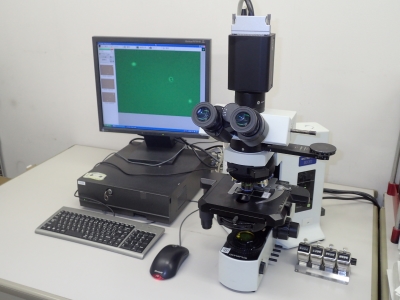
Fiber counting is performed in accordance with the Asbestos Monitoring Manual, JIS K3850-1, and other relevant standards.
Fiber counting is carried out by experienced and qualified specialists.
- Step 3
- Fiber Identification Using SEM and Other Methods
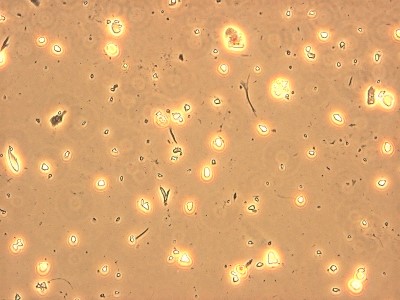
When the collected samples exceed a specified fiber concentration threshold, fiber identification is performed using phase contrast/polarized light microscopy or analytical scanning electron microscopy (SEM), and the asbestos fiber concentration is calculated.
All analyses are conducted by experienced technical specialists.
Features
Our experienced staff propose the most appropriate investigation methods based on your specific requirements.
Analyses are performed by JAWE-certified asbestos analysts with A or B technical ratings.
We also provide routine monitoring services for buildings confirmed to contain asbestos building materials.
Work environment measurement surveys and analyses are also available.
We also offer on-site analysis using our mobile laboratory, RCF analysis in workplace environments, and other services tailored to customer needs.
Support for Asbestos Management
Our experienced staff assist customers with all aspects of asbestos management. In addition to investigation and analysis, we also provide consulting services for asbestos removal projects, coordination with relevant government authorities, and information disclosure. Please feel free to contact us.
We also provide on-site analysis using our mobile laboratory, asbestos investigations for soil and waste materials, and other services tailored to your specific requirements.
Technical Case Study (Mobile Laboratory)
Following major disasters such as the Great Hanshin-Awaji Earthquake, the Niigata Chuetsu Earthquake, and the Great East Japan Earthquake, the proper handling of asbestos-containing building materials from damaged buildings became a significant issue. In the Great East Japan Earthquake, appropriate separation and on-site management of asbestos-containing materials mixed with disaster debris were also required.
Approximately one month after the Great East Japan Earthquake, at the request of the Ministry of the Environment, we conducted on-site asbestos analysis using our mobile monitoring laboratory in the affected areas to help prevent exposure to asbestos-containing dust among local residents and recovery workers.
In disaster-affected areas, rapid on-site analysis is essential not only for the proper handling of asbestos-containing building materials from collapsed structures but also for preventing asbestos exposure among residents and recovery personnel.
As reconstruction progresses, support is needed from every possible perspective. By deploying our mobile laboratory vehicles for rapid on-site response, we aim to contribute to the proper handling of asbestos-containing materials and help protect the health of residents and reconstruction workers.
We also contribute to the proper management of asbestos-containing building materials by providing rapid on-site asbestos analysis for urban redevelopment projects, building demolition, and renovation work.
.png)
