
History
Environmental Administration
Environmental Control Center
1970
64th Extraordinary Session of the National Diet (Pollution Diet)
Fourteen pollution-related bills enacted, including the Water Pollution Control Act.
1971
Offensive Odor Control Act Enacted
Environment Agency Established
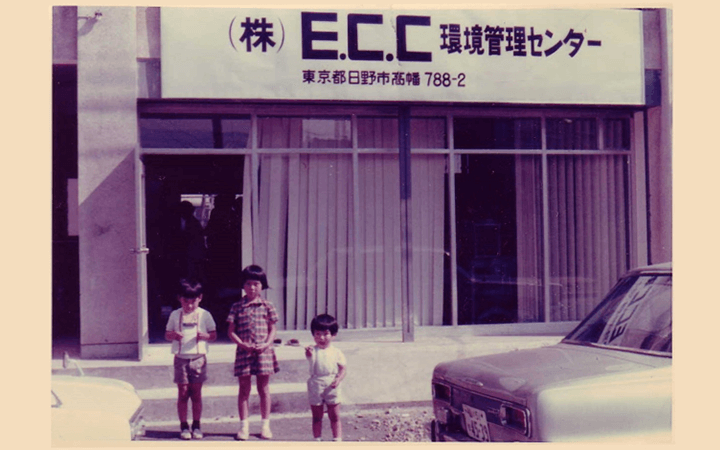
Company Founded in Takahata, Hino City, Tokyo with Capital of ¥5 Million
Started Water Quality Analysis Services
Started Odor Analysis Services
1972
Started River Water Quality Survey Services
Started Air Quality Analysis Services
1974
Started Municipal Waste Composition Analysis Services
1975
Opened Chiba Office (Now East Kanto Branch) in Chiba City, Chiba Prefecture
1976
Started Environmental Impact Assessment Services
Vibration Regulation Act Enacted
1977
Started Olfactory Odor Testing Services (Triangle Odor Bag Method)
1980
Ramsar Convention Entered into Force in Japan
1982
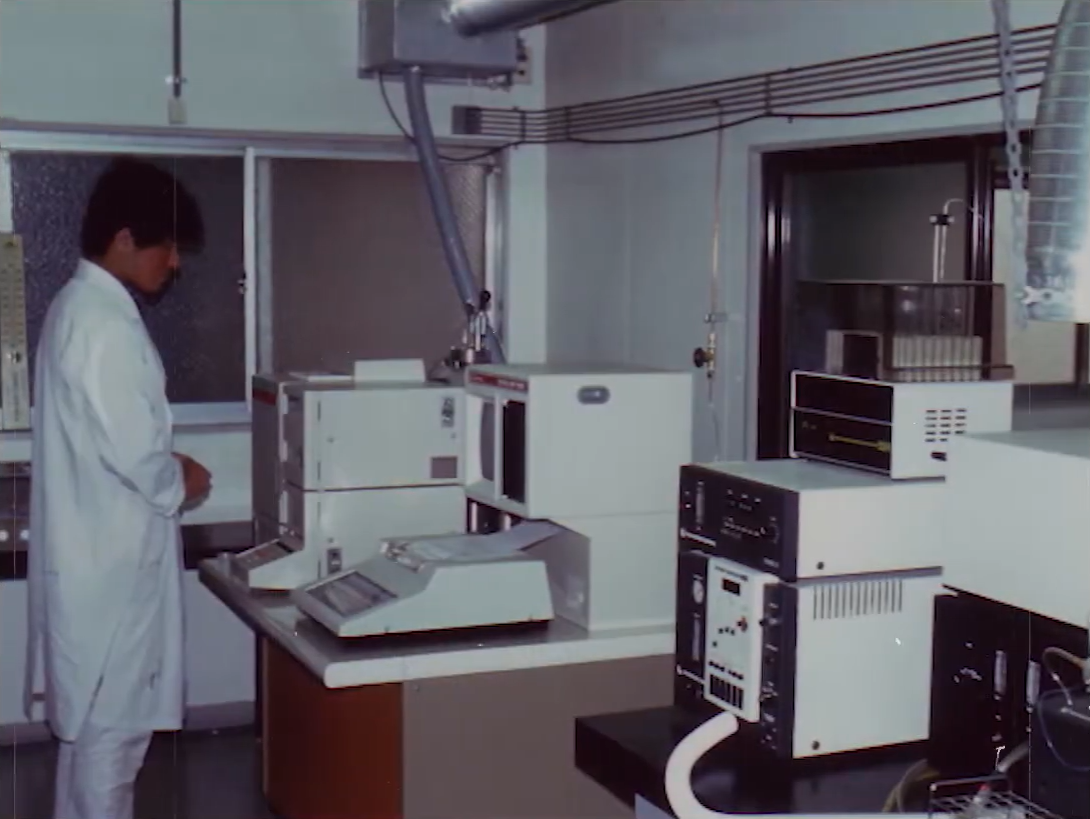
Started Atmospheric Dispersion Experiment Services
Started Water Source and Waterfront Conservation Planning Services
1983
Opened Saitama Office (Now North Kanto Technical Center) in Omiya, Saitama Prefecture
1984
Cabinet Decision on the Implementation of Environmental Impact Assessment
1985
Lake Water Quality Conservation Special Measures Act Enforced
1987
Started Environmental Planning and Consulting Services
Head Office Relocated to Ueda, Hino City, Tokyo
Started Asbestos Measurement Services
1989
Air Pollution Control Act Partially Revised
(Asbestos Regulation Introduced)
Golf Course Pesticide Pollution Issue Emerged
1990
Ministry of Health and Welfare Established Guidelines for Dioxin Emission Prevention
1991
Environmental Quality Standards for Soil Contamination Announced
(Established for 10 substances including cadmium)
Started Dioxin Analysis Services
1992
United Nations Conference on Environment and Development (Earth Summit) Held
Certified by the Environment Agency as an Odor Evaluation Organization
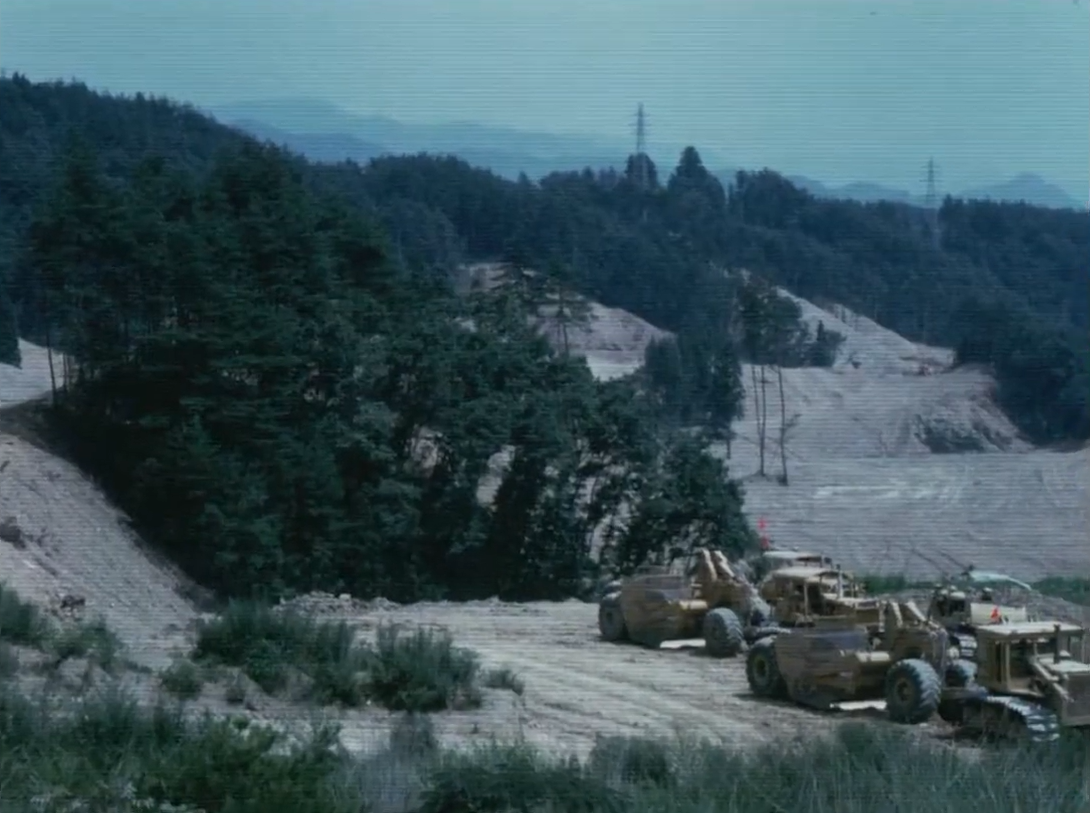
Opened the Environmental Consulting Division in Sanda-machi, Hachioji, Tokyo
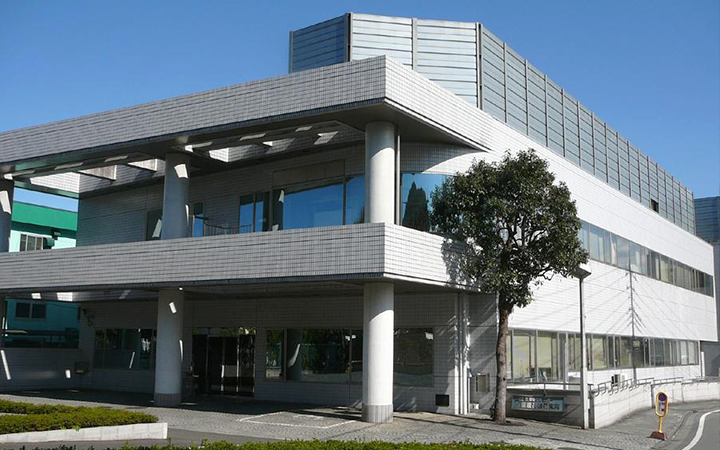
Opened the Environmental Research Institute in Shimo-Ongata-machi, Hachioji, Tokyo
1993
Opened Yokohama Office (Now Kanagawa Office)
Basic Environment Act Enacted
1994
Basic Environment Plan Approved by Cabinet
Government Ministries Issued Environmental Policies, Recommendations and Reports
1996
Air Pollution Control Act Revised to Reduce Hazardous Air Pollutants
Water Pollution Control Act Revised to Authorize Governors to Order Groundwater Remediation
Received the FY1995 Outstanding Construction Project Award from the Director of the Kanto Regional Construction Bureau
Listed as an Over-the-Counter Stock with the Japan Securities Dealers Association
1997
ISO 9001 Certification Obtained at Seven Business Locations
Received the Environmental Chemistry Paper Award (First Private Company)
Environmental Impact Assessment Act Enacted
1998
Started Coordination Services for Soil and Groundwater Remediation
ISO 14001 Certification Obtained at Nine Business Locations
Opened an Ultra-Trace Chemical Analysis Laboratory at the Environmental Research Institute
Started Analysis Services for Endocrine-Disrupting Chemicals (Environmental Hormones)
East Kanto Branch Received the Excellent Measurement Management Award from the Governor of Chiba Prefecture
1999
Held an Environmental Seminar: "Management Perspectives on Environmental Information Disclosure"
Environmental Impact Assessment Act Came into Effect
PRTR Act and Act on Special Measures against Dioxins Enacted
Launched Environmental Communication Support Services Centered on Environmental Report Preparation
(Business partnership with Dai Nippon Printing Co., Ltd. and Ohta Showa Institute of Environmental Quality)
2000
Obtained International Laboratory Accreditation (ISO/IEC Guide 25) for Dioxin Sampling and Analysis (Accreditation No. JCLA7)
Established the Biotechnology Business Development Division for Deep Ocean Water Projects
Published the "Environmental Risk Management Report 2000"
Opened the Hino Office in Hino City, Tokyo
2001
Obtained ISO/IEC 17025 Accreditation for Sampling and Analysis of 24 Soil Environmental Standard Items
Act on Special Measures for the Promotion of Proper Treatment of PCB Waste Came into Effect
Expanded the Scope of ISO/IEC 17025 Accreditation
(Transition from ISO/IEC Guide 25 and expansion of the accredited scope)
2002
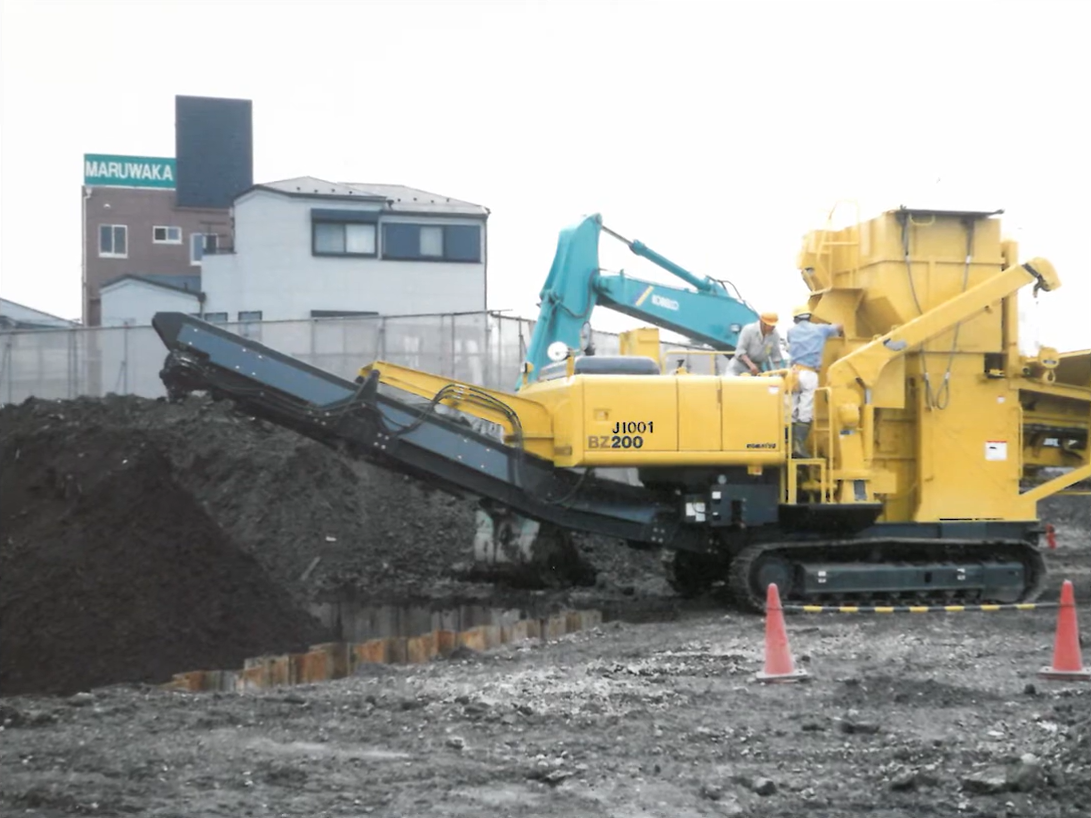
Tokyo Environmental Preservation Ordinance Came into Effect
MLAP (Accredited Measurement Laboratory Accreditation Program) Introduced Following the Revision of the Measurement Act
Our "Environmental Risk Management Report 2001" Received the SME Award at the Environmental Reporting Awards
Analysis Center Accredited as an MLAP Laboratory
Filed a Patent Application for an On-site Soil Rapid Analysis Method
Cabinet Approved the Enforcement Order for the Soil Contamination Countermeasures Act
(Effective February 15, 2003)
Our "Environmental Risk Management Report 2002" Received the Environmental Report Encouragement Award at the 6th Environmental Report Awards
(Sponsored by the Global Environmental Forum and the Japan Environmental Conservation Association, with support from the Ministry of the Environment, The Mainichi Newspapers, and Nikkei Inc.)
2003
Soil Contamination Countermeasures Act Came into Effect
2004
Opened the Nagoya Office in Nagoya City, Aichi Prefecture
2006
Registered as a Surveying Business
Registered as a Geological Survey Company
2007
Obtained a Specified Construction Business License
Relocated the North Kanto Branch to Chuo-ku, Saitama City, Saitama Prefecture
2008
Relocated the East Kanto Branch to Midori-ku, Chiba City, Chiba Prefecture
2011
The Great East Japan Earthquake and the Subsequent Nuclear Power Plant Accident
Started Radiation Measurement and Radioactivity Analysis Services
Act on Special Measures Concerning the Handling of Environmental Pollution by Radioactive Materials Released by the Nuclear Power Plant Accident Following the Great East Japan Earthquake Enacted
2012
Opened the Kanda Office
(Relocated the Metropolitan Area Branch and Government Sales Department)
Relocated the Tokyo Branch to Hino City, Tokyo
Relocated the Head Office to Hachioji City, Tokyo
2013
Opened the Fukushima Office
Obtained ISO/IEC 17025 Accreditation for Radionuclide Analysis of Food and Drinking Water
2015
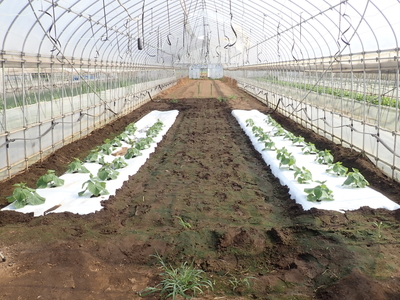
Opened the Chikusei Experimental Farm in Chikusei City, Ibaraki Prefecture
East Kanto Branch Obtained ISO/IEC 17025 Accreditation
Relocated the Fukushima Office to Fukushima City, Fukushima Prefecture
2016
Renamed the Analysis Center, East Kanto Branch, North Kanto Branch, and Hino Annex to the Technical Center, East Kanto Technical Center, North Kanto Technical Center, and Odor & Fragrance Laboratory, respectively
Entered into a Capital and Business Alliance with Field Partners Co., Ltd.
2018
Established Subsidiary "Soil Environment Researchers Co., Ltd."
Established Subsidiary "KANKYO ENVIRONMENT SOLUTIONS CO., LTD."
Opened the Fukushima Hamadori Innovation Center
2019
Established Zhejiang Tongye Environmental Technology Co., Ltd. as an Equity-Method Affiliate
Launched the Real Estate Transaction Business
2022
San-ei Technics Co., Ltd. Joined the ECC Group
(Acquired a 60% Equity Stake)
