Overview
In recent years, Japan has increasingly recognized that valuable metal resources are contained in large quantities within discarded consumer electronics and other urban waste. As a result, resource recovery and recycling have become increasingly important. To further promote a recycling-oriented society, the Small Home Appliance Recycling Act came into effect in April 2013.
Recovering and utilizing valuable metal resources first requires identifying where they are located and determining their quantities.
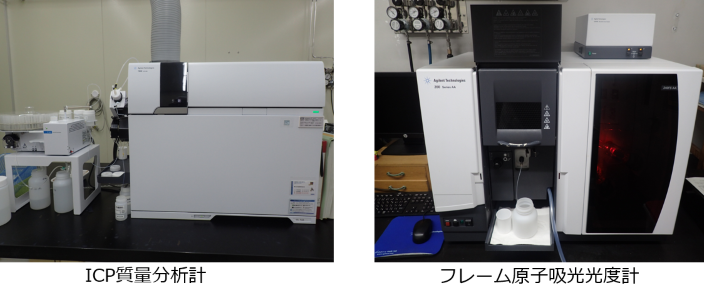
We provide approximate content analysis that can serve as fundamental data for resource evaluation. Small electronic devices and other materials are dismantled, crushed, and acid-digested before quantitative analysis using ICP mass spectrometry (ICP-MS) and flame atomic absorption spectrometry (AAS).
-
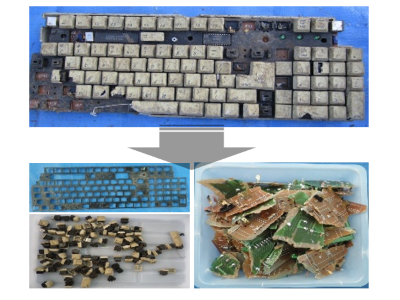
Dismantling and Sorting
-
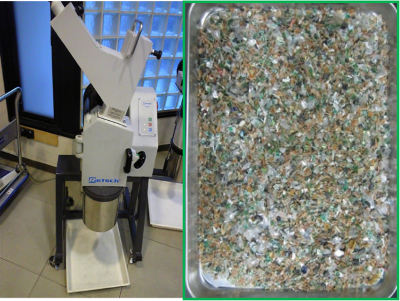
Grinding with a Cutting Mill
-
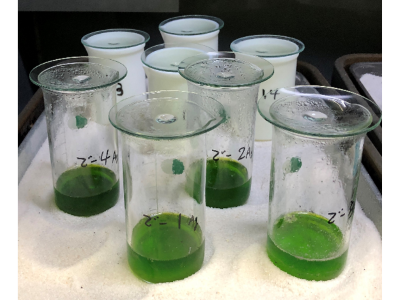
Acid Digestion
Survey and Analysis Process
- Step 1
- Sample Collection
Our experienced field specialists develop sampling plans tailored to your requirements and carry out sample collection.
Please feel free to contact us for consultation.
- Step 2
- Analysis
Sample Preparation: Representative and homogeneous samples are prepared by grinding with cutting mills or similar equipment.
Acid Digestion: Samples are digested using appropriate acids according to their characteristics to extract the target elements into solution.
Instrumental Analysis: Depending on the concentration of the target elements, measurements are performed using ICP mass spectrometry (ICP-MS) and flame atomic absorption spectrometry (AAS).
- Step 3
- Reporting
We provide analytical results in the reporting format that best meets your requirements.
Features
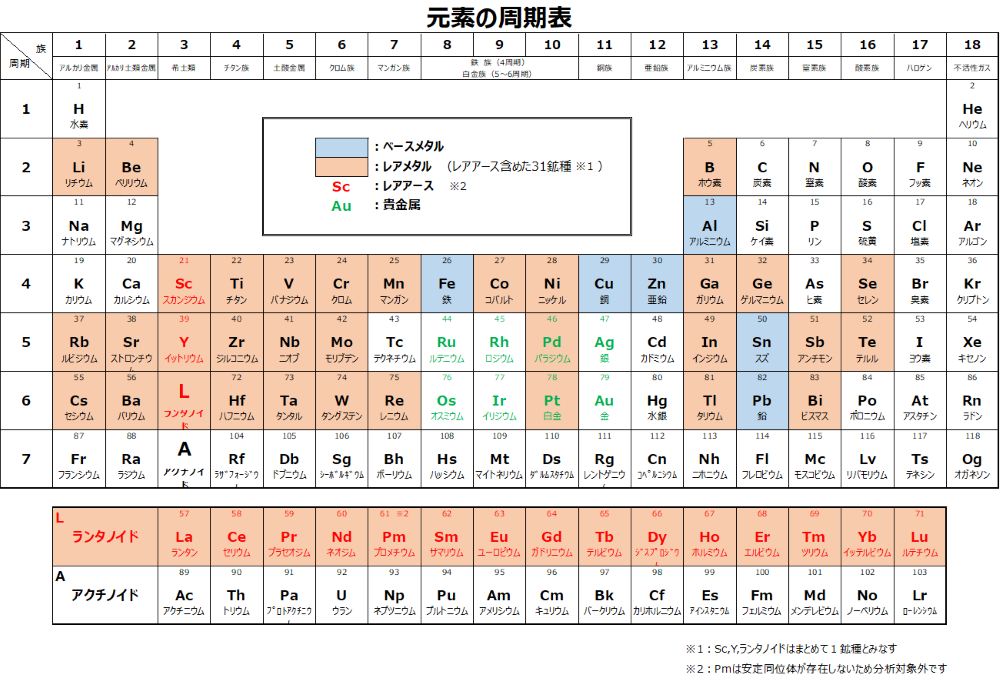
We are capable of analyzing rare metals (including rare earth elements across 31 mineral categories) as well as precious metals.