
Overview
Radioactivity Analysis of Gamma-Ray Emitting Radionuclides (Radioactive Cesium, Radioactive Iodine, etc.)
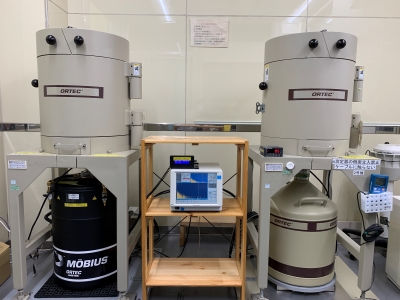
We quantify the radioactivity concentration of gamma-ray-emitting radionuclides (such as radioactive cesium) using a high-purity germanium (HPGe) semiconductor detector.
Our laboratory is accredited to ISO/IEC 17025:2005 (JIS Q 17025:2005) for the analysis of soil and waste samples (test items: Cs-134 and Cs-137).
【 Sample Types 】
Solid: Soil, sediment, waste materials, etc.
Liquid: Freshwater, seawater, wastewater, etc.
Gas: Airborne particulate matter, exhaust gas, workplace air samples, etc.
-

Soil Sampling
-

River Water Sampling
-

Exhaust Gas Sampling
【Target Radionuclides】
In addition to accident-derived artificial radionuclides such as radioactive cesium,
we also analyze naturally occurring radionuclides.
Artificial radionuclides: Cs-134, Cs-137, I-131, etc.
Naturally occurring radionuclides: K-40, Be-7, etc.
-
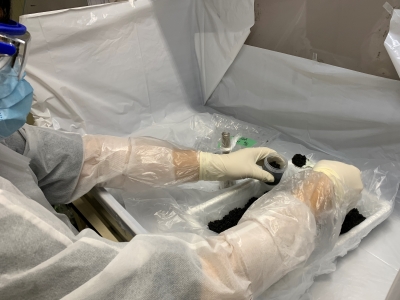
Solid Sample Preparation
-
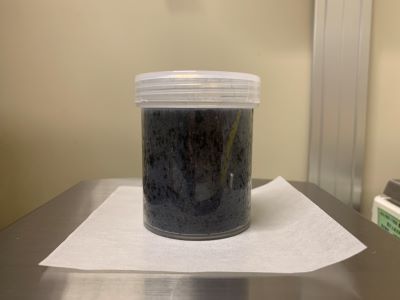
Measurement Sample (U-8 Container)
-

Measurement Sample (Marinelli Beaker)
-
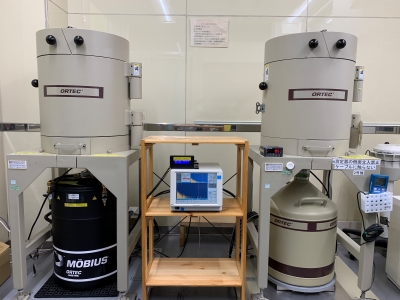
Germanium Semiconductor Detector
(Gamma-Ray Spectrometry)
*We can analyze a wide variety of samples, ranging from trace levels of environmental radioactivity to highly contaminated accident-derived waste.
*Samples that cannot be transported outside Fukushima Prefecture can be analyzed at the Fukushima Hamadori Innovation Center.
Tritium (H-3) Analysis
-
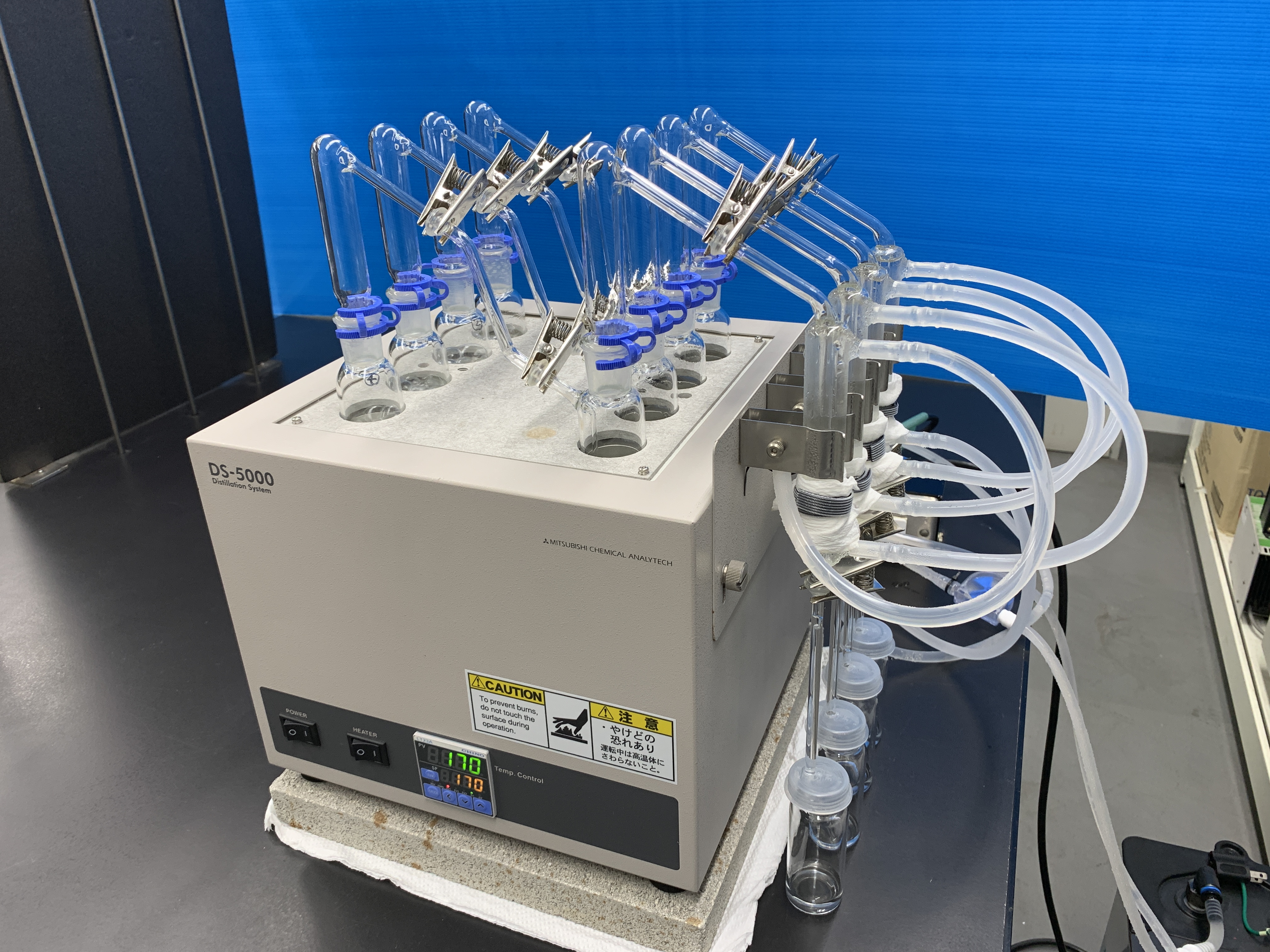
Compact Distillation Unit
-
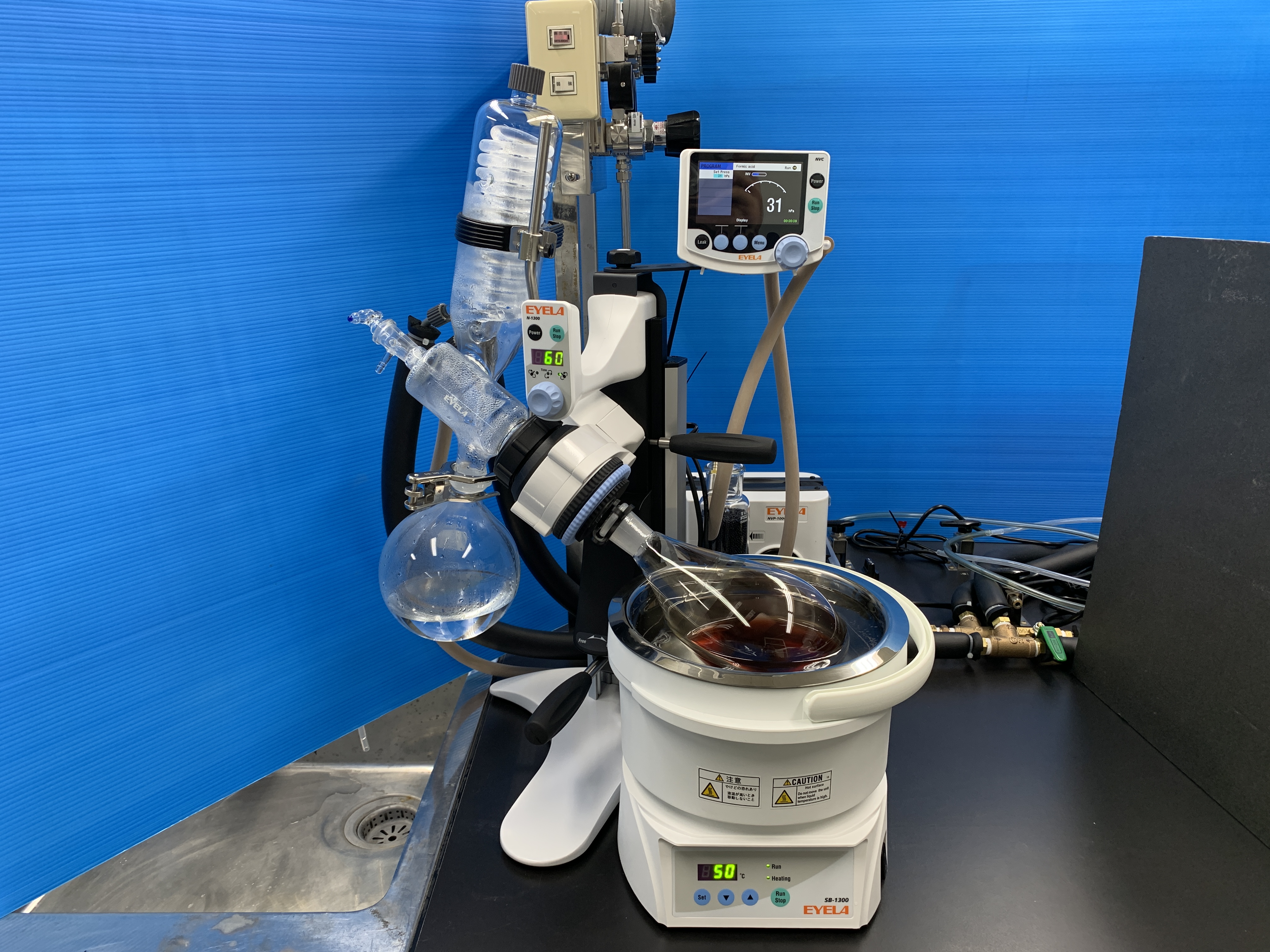
Rotary Evaporator
-
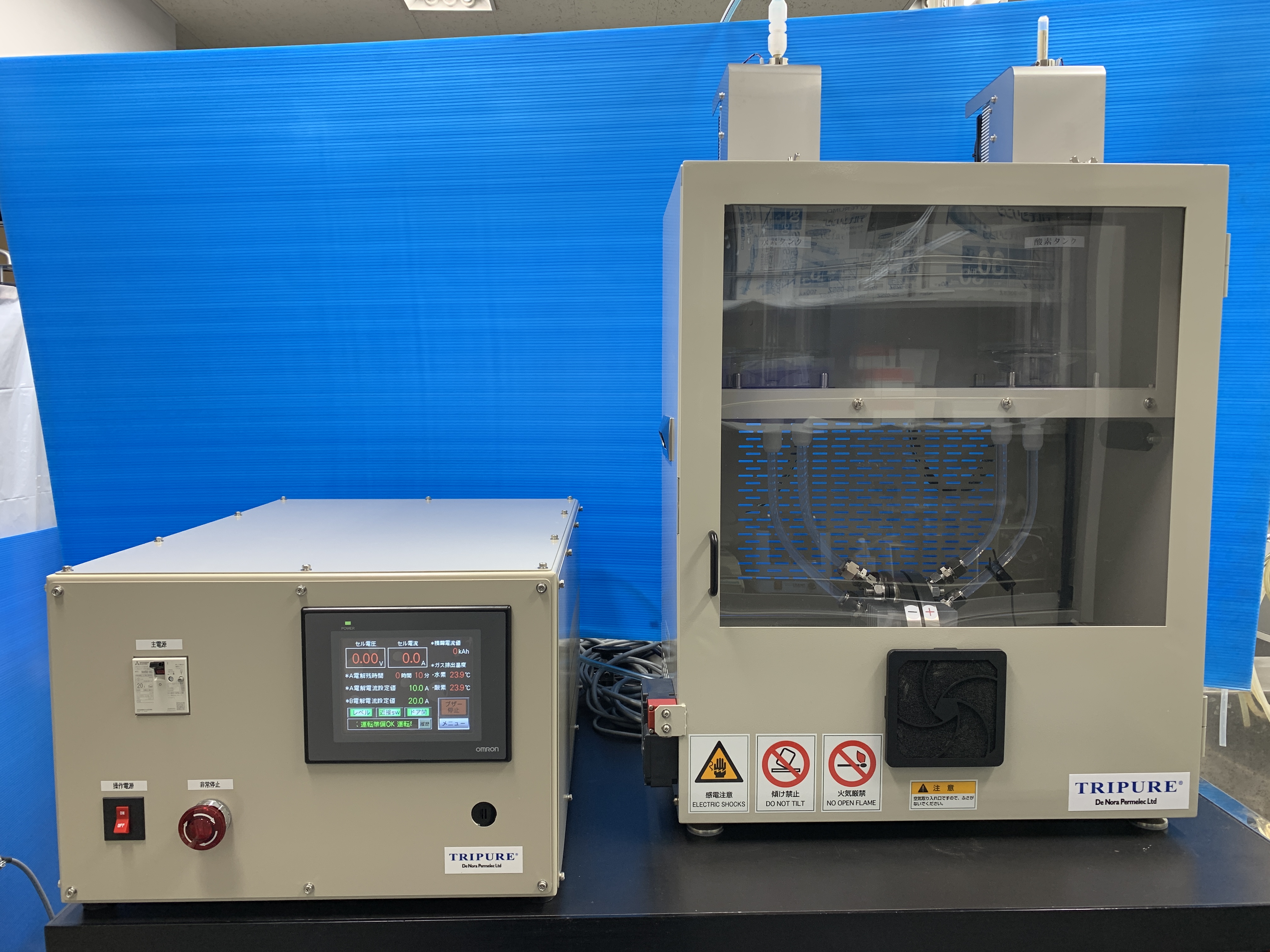
Tritium Electrolytic Enrichment System
TriPure®
-
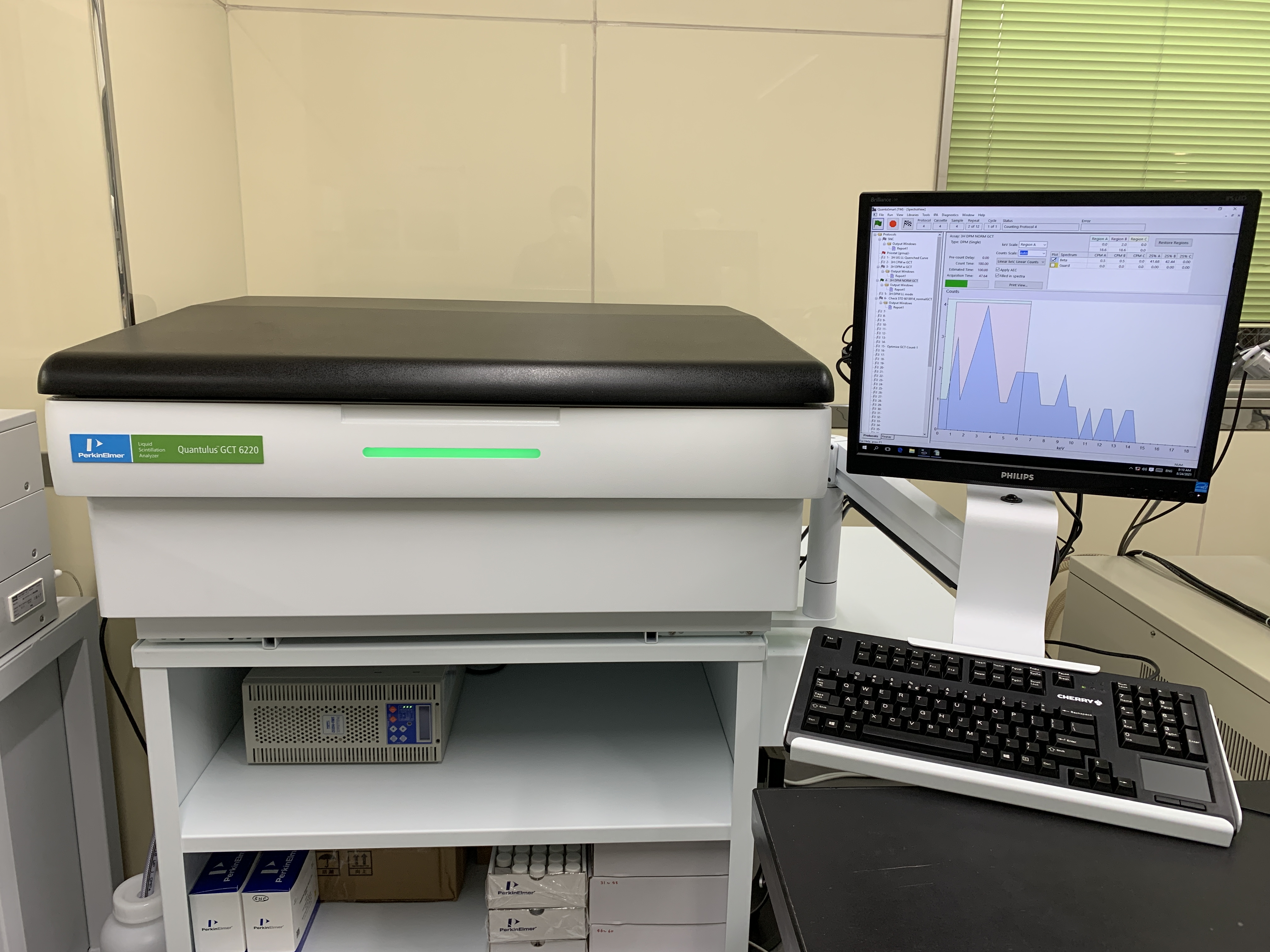
Ultra-Low Background Liquid Scintillation Counter
(PerkinElmer Quantulus™ GCT 6220) -
.png)
Verification of Analytical Accuracy Through Comparison Testing with an External Laboratory
○Sample: Freshwater (River Water) -
.png)
Verification of Analytical Accuracy Through the IAEA Proficiency Test (IAEA-RML-2022-01PT)
○Sample: Seawater
Tritium (H-3) analysis is performed in accordance with the Ministry of Education, Culture, Sports, Science and Technology (MEXT) "Radioactivity Measurement Series No. 9 (Tritium Analysis Method)."
Beta radiation is measured using an ultra-low background liquid scintillation counter.
【Sample Types】
Liquids: Freshwater, seawater, wastewater, etc.
【Target Radionuclide / Analytical Method】
H-3: Radioactivity Measurement Series No. 9
Samples purified by distillation are concentrated using an electrolytic enrichment system, mixed with a liquid scintillator (a liquid that emits light when exposed to radiation), and measured for beta radiation using an ultra-low background liquid scintillation counter.
●Detection limit: Approximately 0.05 Bq/L (with electrolytic enrichment) to 1 Bq/L (without electrolytic enrichment)
Tritium (H-3) Analysis
~ Verification of Analytical Accuracy Through Comparison Testing with an External Laboratory ~
To verify the accuracy of tritium analysis in freshwater, two of our analysts independently analyzed the same samples as the Japan Chemical Analysis Center, a specialized organization for environmental radioactivity and radiation analysis, and compared the results.
As a result, the analytical results obtained by both of our analysts showed excellent agreement with those of the Japan Chemical Analysis Center within the range of measurement uncertainty.
○Test Samples:
・Sample A (River water collected in the Kanto region on May 26, 2022)
・Sample B (Sample A spiked with a tritium standard solution)
Results of Comparison Testing with an External Laboratory
Tritium (H-3) Analysis
~ Verification of Analytical Accuracy Through the IAEA Proficiency Test (IAEA-RML-2022-01 PT) ~
To ensure the reliability of our tritium analysis, we participated in the IAEA (International Atomic Energy Agency) Proficiency Test (IAEA-RML-2022-01PT).
Our analytical results were rated as good in terms of Accuracy, Precision, and Trueness, and received an overall evaluation of "Accepted."
○Test Name: IAEA-RML-2022-01 Proficiency Test for Determination of Radionuclides in Sea Water
○Sample: Seawater
○Analytical Method: Radioactivity Measurement Series No. 9 (Revised 2002, MEXT), Electrolytic Enrichment Method
IAEA-RML-2022-01 PT – ECC Analytical Results (Tritium)

.png)
Total Alpha and Total Beta Radioactivity Analysis

We perform total alpha radioactivity analysis in accordance with the Standard Methods for Waterworks, and total beta radioactivity analysis in accordance with the Ministry of Education, Culture, Sports, Science and Technology (MEXT) "Radioactivity Measurement Series No. 1 (Total Beta Radioactivity Measurement Method)."
Alpha and beta radiation are measured using a low-background gas-flow proportional counter (LBC).
【 Sample Types 】
Solid: Soil, sediment
Liquid: Freshwater, seawater, wastewater, etc.
【 Analytical Methods 】
Total Alpha Radioactivity: Standard Methods for Waterworks
Samples are evaporated to dryness, after which alpha radiation is measured using an LBC.
*Applicable to liquid samples only (excluding seawater).
Total Beta Radioactivity: Radioactivity Measurement Series
Solid: Beta radiation is measured directly from the sample using an LBC.
-

Solid Sample Preparation (Sample Weighing)
-

Measurement Sample
Liquid: Samples* are evaporated to dryness, and beta radiation is measured using an LBC.
-

Liquid Sample Preparation (Evaporation to Dryness)
-

Measurement Sample
-

Low-Background Gas-Flow Proportional Counter (Alpha/Beta Radiation Measurement)
*Seawater samples can also be analyzed using the iron-barium co-precipitation method.
Radioactive Strontium (Sr-90) Analysis
We perform radioactive strontium (Sr-90) analysis in accordance with the ion exchange method specified in the Ministry of Education, Culture, Sports, Science and Technology (MEXT) "Radioactivity Measurement Series No. 2 (Radioactive Strontium Analysis Method)."
Beta radiation is measured using a low-background gas-flow proportional counter (LBC).
【 Sample Types 】
Solid: Soil, sediment
Liquid: Freshwater, wastewater, etc.
【 Target Radionuclide / Analytical Method 】
Sr-90: Radioactivity Measurement Series No. 2 (Ion Exchange Method). Sr-90 is chemically separated from the sample and beta radiation is measured using an LBC.
-

Precipitation Separation
-

Ion Exchange Separation
-
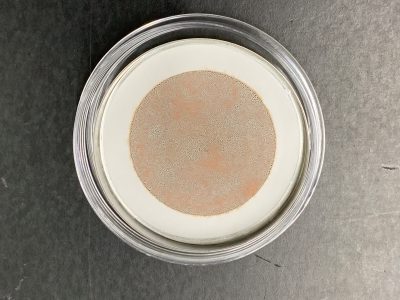
Measurement Sample
-
Low-Background Gas-Flow Proportional Counter (Alpha/Beta Radiation Measurement)
Contract Testing
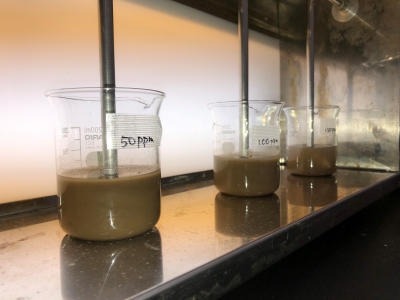
We provide a variety of contract testing services related to radioactive cesium, including column tests, sequential extraction tests, long-term leaching tests, insolubilization tests, and more.
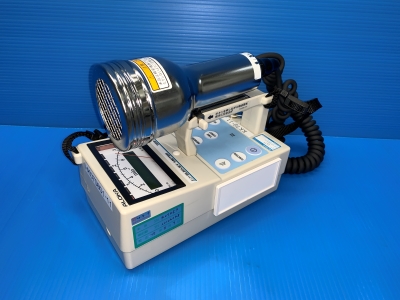
Ambient Dose Rate Measurement
Ambient dose rates are measured using an energy-compensated NaI(Tl) scintillation survey meter.

Surface Contamination Measurement
Surface contamination on equipment and the human body is measured using a GM survey meter.
Case Studies & Achievements
●FY2011: Radioactive Substance Leaching Tests for Municipal Solid Waste Incineration Ash (Ministry of the Environment)
●FY2012: Measurement of Radioactively Contaminated Waste (Ministry of the Environment)
●FY2013: Measurement of Radioactively Contaminated Waste (Ministry of the Environment)
●FY2014: Survey on the Runoff and Dispersion of Radioactive Materials from Forests to Residential Areas (Part 2) (Ministry of the Environment)
●FY2014: Continuous Monitoring of Radioactive Materials in Public Water Bodies and Groundwater (Ministry of the Environment)
●FY2014: Investigation of Waste Transportation Plans for Determining Radioactivity Concentrations in Radioactively Contaminated Waste (Ministry of the Environment)
●FY2015–FY2019: Continuous Monitoring and Evaluation of Radioactive Materials in the Aquatic Environment (Ministry of the Environment)
●FY2018: Investigation of Radioactive Strontium in Public Water Bodies (FY2017 Data) (Ministry of the Environment)
●Study on Storage Conditions and Treatment Methods for Low-Density Waste Contaminated by Accident-Derived Radioactive Materials (National Institute for Environmental Studies)
●FY2018: Demonstration Project for Treatment Technologies for Low-Density Contaminated Waste (Ministry of the Environment)
Notes
○Please note that samples with radioactive cesium concentrations exceeding 8,000 Bq/kg will be returned to the client following analysis.
