
Overview
Biological surveys are conducted using various methods to understand the biodiversity of a survey area.
Our daily lives and business activities are supported by ecosystem services provided by diverse ecosystems. Among the 17 Sustainable Development Goals (SDGs), Goals 14 "Life Below Water" and 15 "Life on Land" emphasize the importance of protecting biodiversity. Preventing biodiversity loss is essential for achieving sustainable development.
Therefore, for future business activities, it is important to conduct appropriate biological surveys, understand potential impacts on biodiversity, and carefully consider conservation plans, management plans, and risk avoidance measures in advance as part of project planning.
Applications
During the project planning stage
Biological surveys conducted during the initial planning stage, such as site selection, can help identify and avoid potential project risks.
Before project implementation
Biological surveys are required for various regulatory procedures, including environmental impact assessments, urban planning approvals, development permits under the Natural Parks Act, and notifications under local government nature conservation ordinances.
Example: Environmental impact assessments generally require four-season surveys covering seasonal changes throughout the year. Depending on the characteristics of the target species, additional surveys may be required during early spring or migration periods, resulting in an approximately one-year survey period. If raptor surveys are required, surveys covering approximately 1.5 breeding seasons are generally conducted, which may require around two years.
During and after project implementation
Monitoring surveys are conducted for construction-phase observation and management, as well as continuous monitoring after facility operation begins, often extending over multiple years.
Management and restoration projects for rivers, forests, parks, and biotope facilities
We support planning for river and forest management, biotope restoration and creation, and natural park management projects.
-
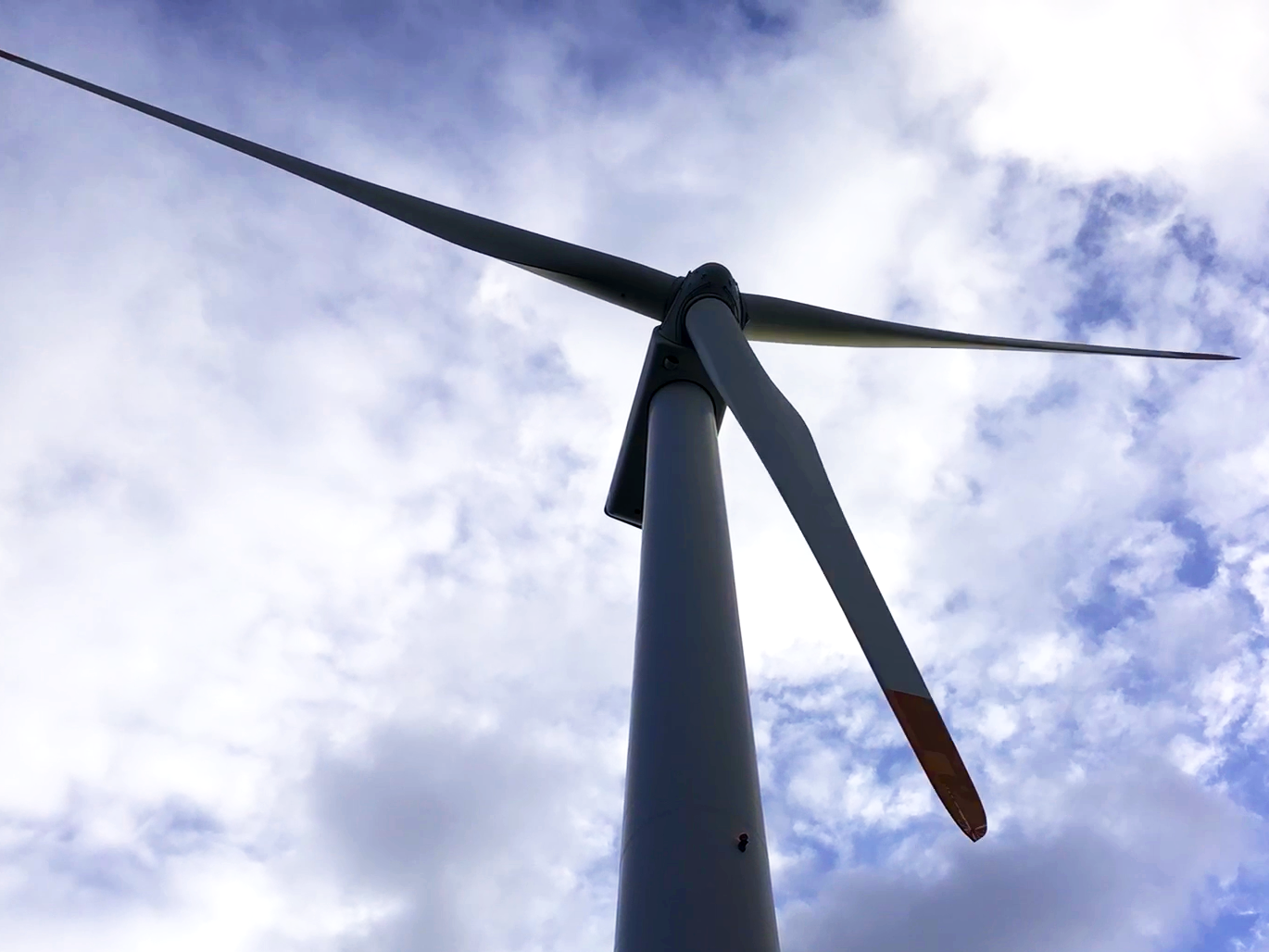
Wind Power Plant (Ishikawa Prefecture)
-
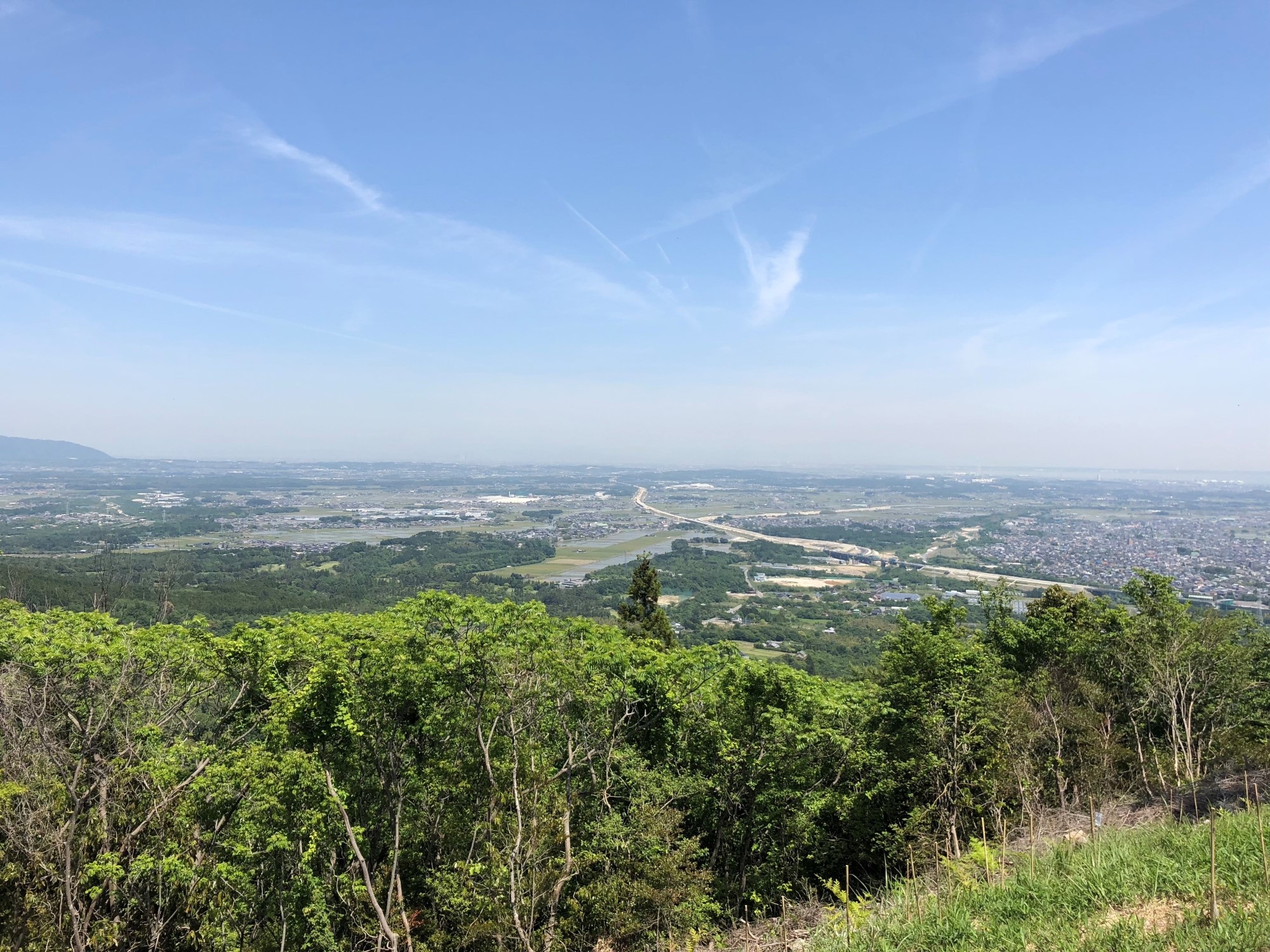
Land Readjustment Project (Mie Prefecture)
-
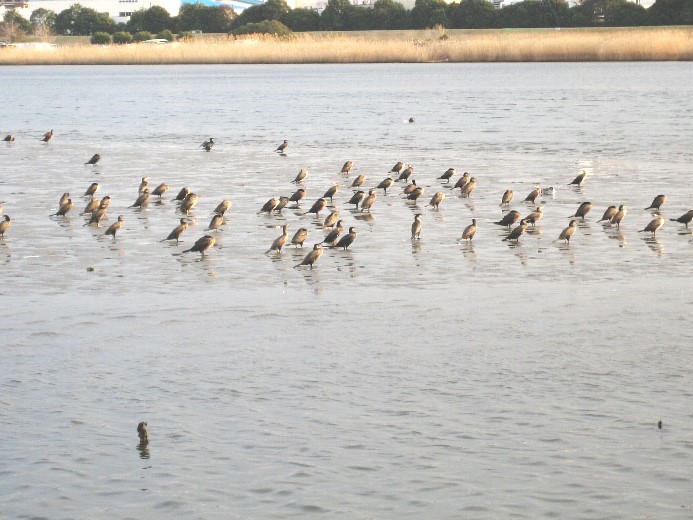
Tidal Flat around Daishi Bridge (Tokyo)
Survey & Analysis Process (After Your Request)
Step 1: Survey Planning
Step 2: Field Survey Implementation
Step 3: Survey Results Report
Step 4: Implementation of Conservation Measures
- Step 1
- Survey Planning
Step 1.1 Organization of project plans and survey objectives
Step 1.2 Understanding regional characteristics through existing documents, interviews, expert consultation when necessary, and preliminary site inspections
Step 1.3 Survey planning: determination of survey items (target species), scope, methods, timing, duration, and required permits/procedures
Step 1.4 For surveys required under laws and regulations, coordination and response with relevant authorities (Example: Environmental Impact Assessment Scoping Document)
- Step 2
- Field Survey Implementation
Step 2.1 Survey preparation and acquisition of necessary permits (special fish collection permits, wildlife capture permits, etc.)
Step 2.2 Field survey implementation (first season)
Step 2.3 Identification of collected plant and insect specimens and preliminary data organization
Step 2.4 Extraction of rare species and other important species
Step 2.5 Review of the next survey plan (necessity of additional items, survey methods, etc.)
Step 2.6 Field survey implementation (second season)
・
・ (Repeated as necessary)
・
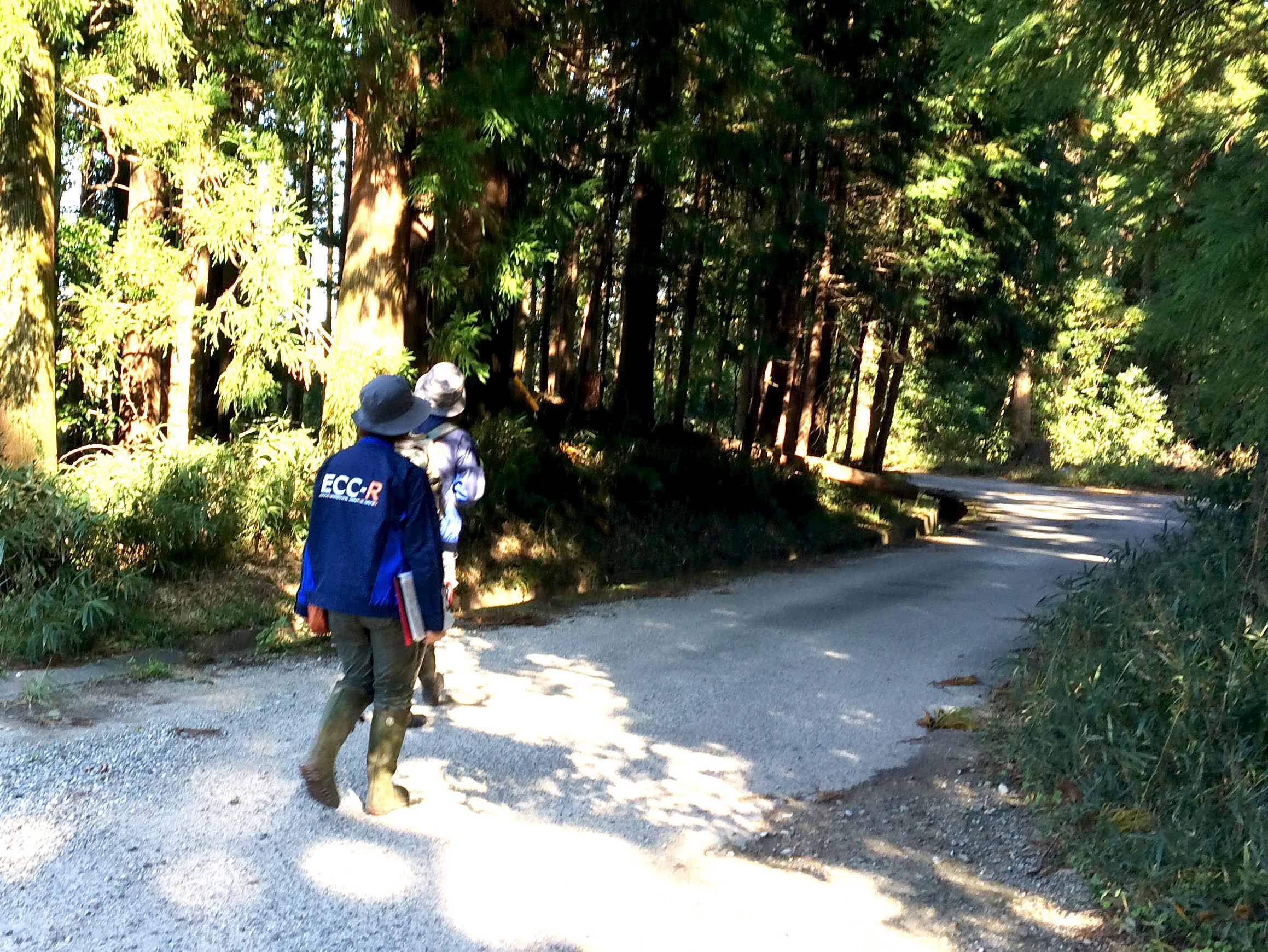 Biological Survey Activities (Mie Prefecture)
- Step 3
- Survey Results Report
Step 3.1 Compilation of survey results and proposal of conservation measures
Step 3.2 Prediction and evaluation of impacts caused by project implementation
Step 3.3 Planning of conservation measures (avoidance, minimization, and compensation)
Step 3.4 Explanation of survey results and proposals for conservation measures and monitoring surveys
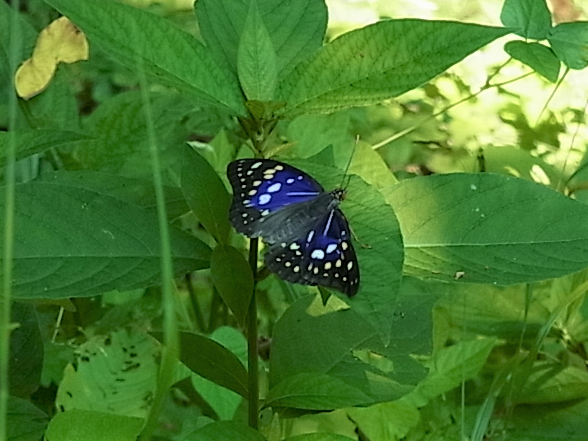 Japanese Purple Emperor (Yamanashi Prefecture, Road Development Project)
- Step 4
- Implementation of Conservation Measures
Step 4.1 Marking before construction begins
Step 4.2 Implementation of compensation measures, such as transplantation of rare plant species and installation of alternative nests for raptors
Step 4.3 Monitoring during construction and raptor habituation measures
Step 4.4 Post-operation monitoring and management
-
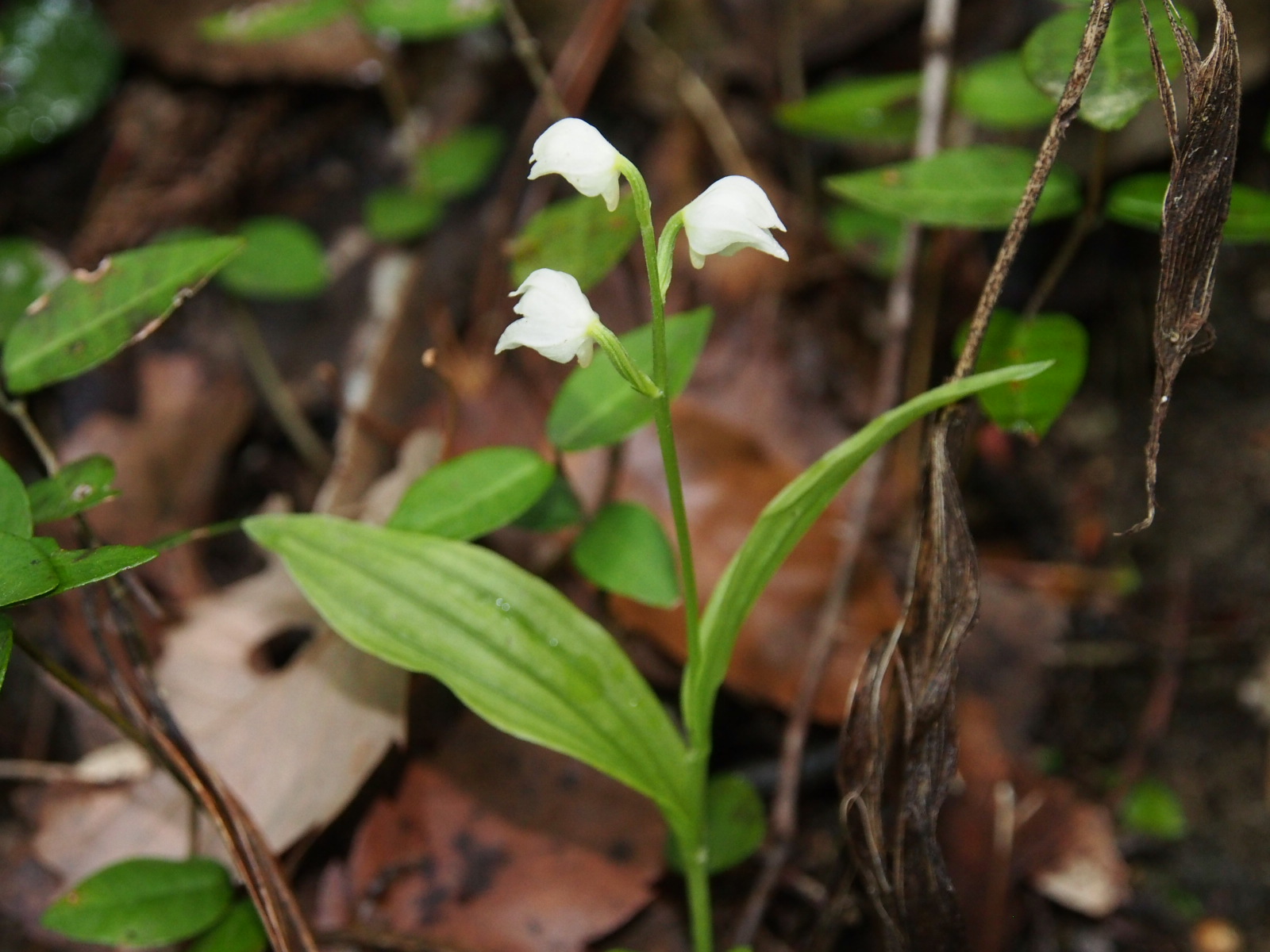
Cephalanthera erecta
(Ibaraki Prefecture, Solar Power Project) -
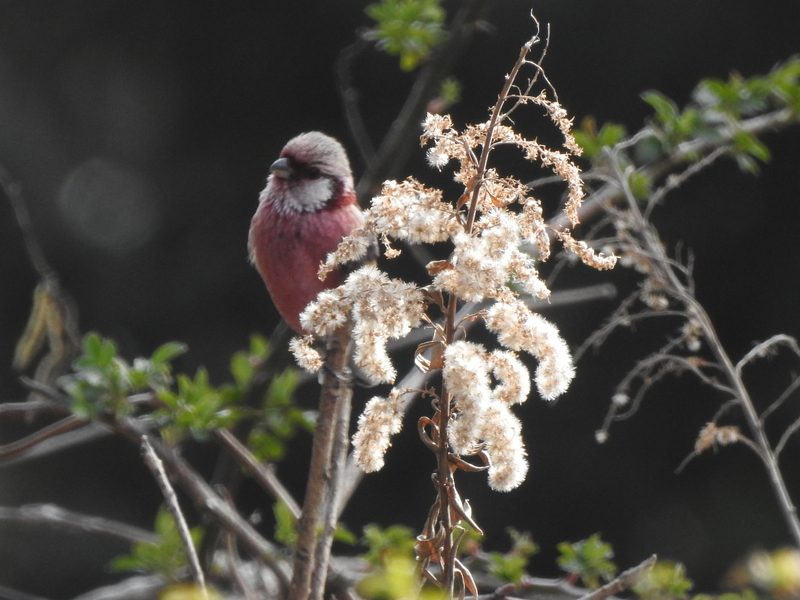
Rosefinch
(Mie Prefecture, Land Readjustment Project) -
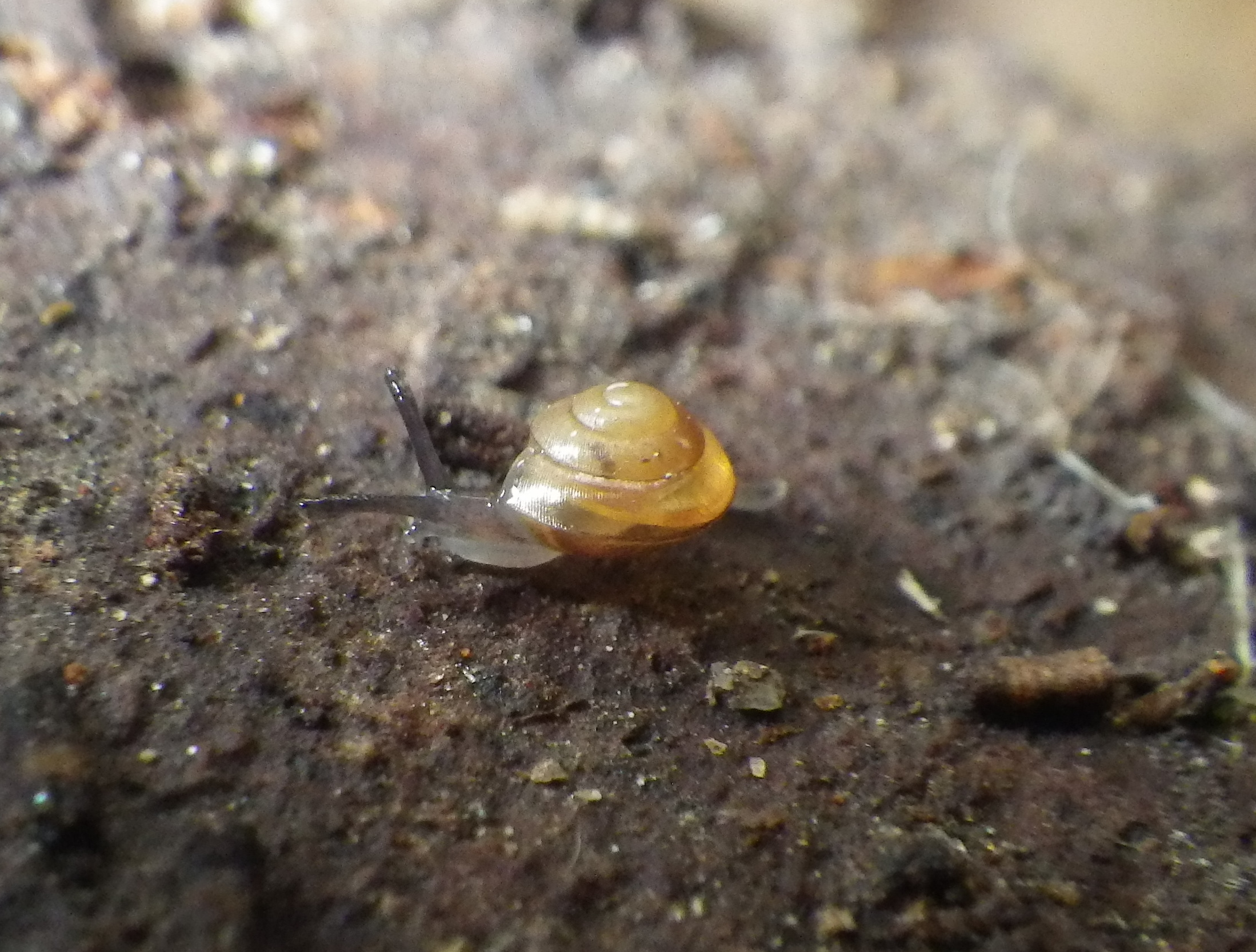
A rare grass species
(Mie Prefecture, Land Readjustment Project)
Features
1. Understanding flora and fauna requires customized surveys combining various investigation methods according to regional characteristics and target species. We provide comprehensive support from survey planning through monitoring implementation.
2. Biological surveys require careful planning based on the purpose of using the survey results and the characteristics of the survey area, including selection of target species, survey methods, timing, and duration. Accurate implementation by experienced investigators with expertise in proper survey timing, appropriate methods, and species identification is essential.
3. Over many years, we have been involved in numerous conservation and development projects, including environmental impact assessments (under local ordinances and national laws), nature conservation ordinances, river and stream restoration projects, national water environment surveys, and small- and medium-sized river surveys. Through these experiences, we have encountered many development projects, and not all conservation measures have been successful. By utilizing our extensive experience, including lessons learned from unsuccessful cases, we support efforts to prevent biodiversity loss and promote sustainable development.
4. We also provide water quality and soil surveys that support the habitats and growth environments of flora and fauna.
Case Studies and Experience
1. Raptor monitoring surveys during construction
Northern Goshawk / Nesting / Video monitoring / Habituation during construction / Post-construction monitoring
2. Implementation of compensation measures during construction and after operation (transplantation of rare plant species)
Penthorum sedoides / Planning and implementation of compensation measures / Seed collection and storage / Germination testing / Seeding and transplantation / From construction through operation
3. Biotope monitoring and management
Genji firefly / Tokyo salamander / Monitoring / Maintenance and management of biotope conservation facilities
4. Park pond management
Fish / Shellfish / Benthic organisms / Aquatic organism surveys in park association ponds
-
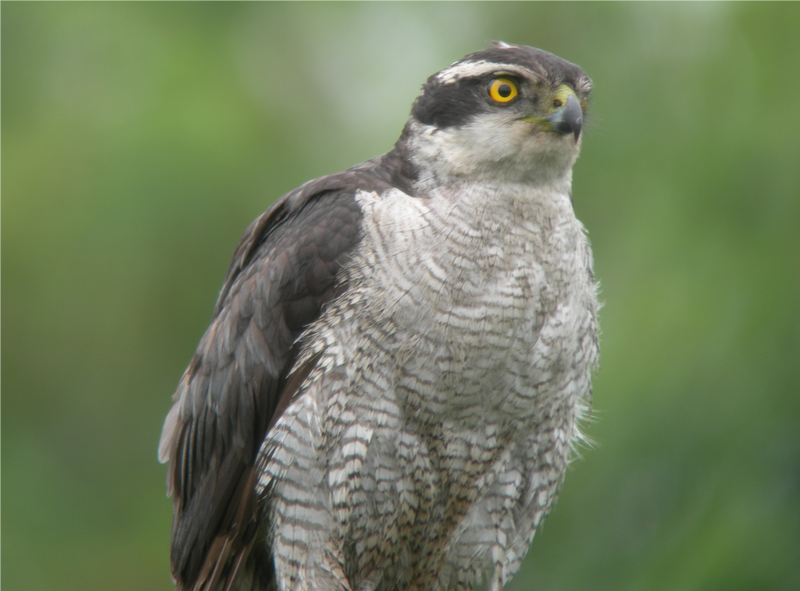
Northern Goshawk
(Tokyo, Commercial Facility Construction) -
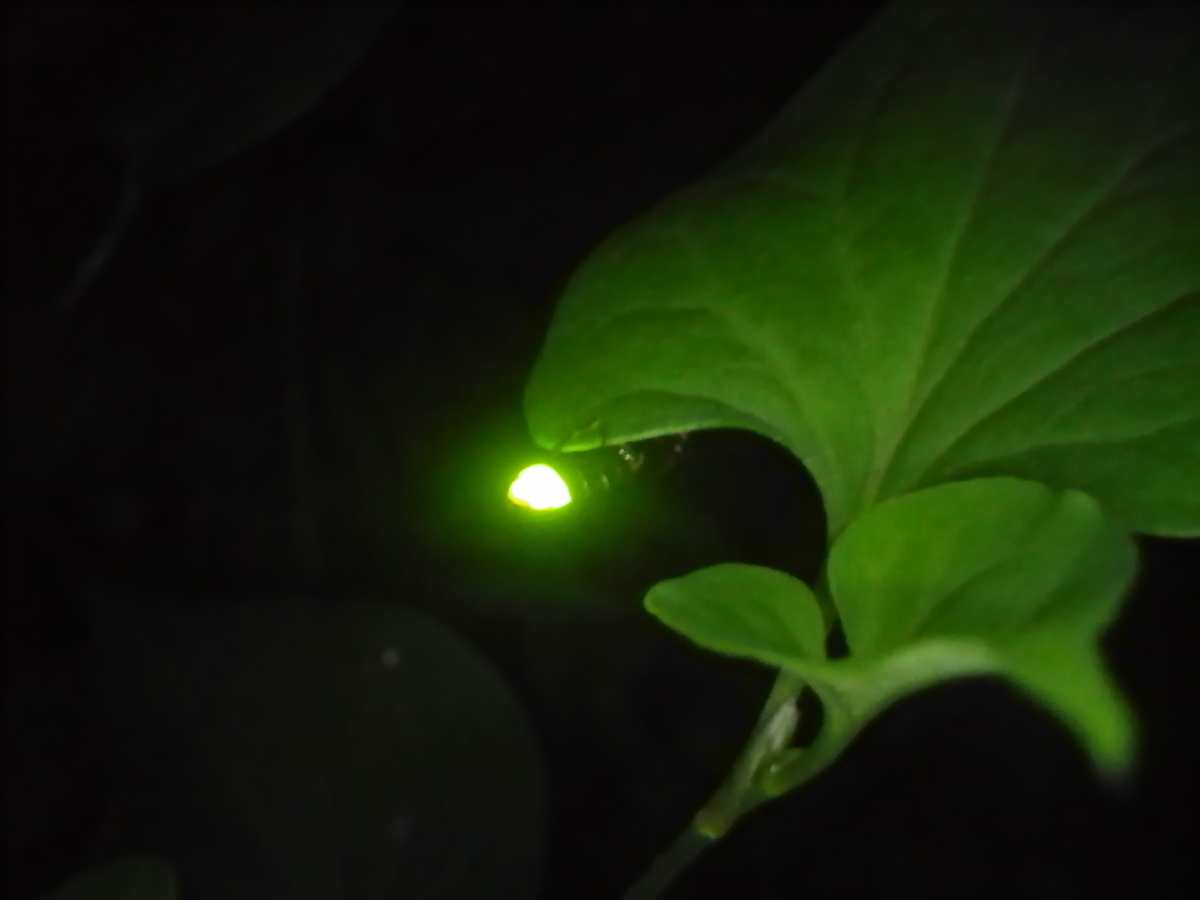
Genji Firefly
(Tokyo, University Biotope Management) -
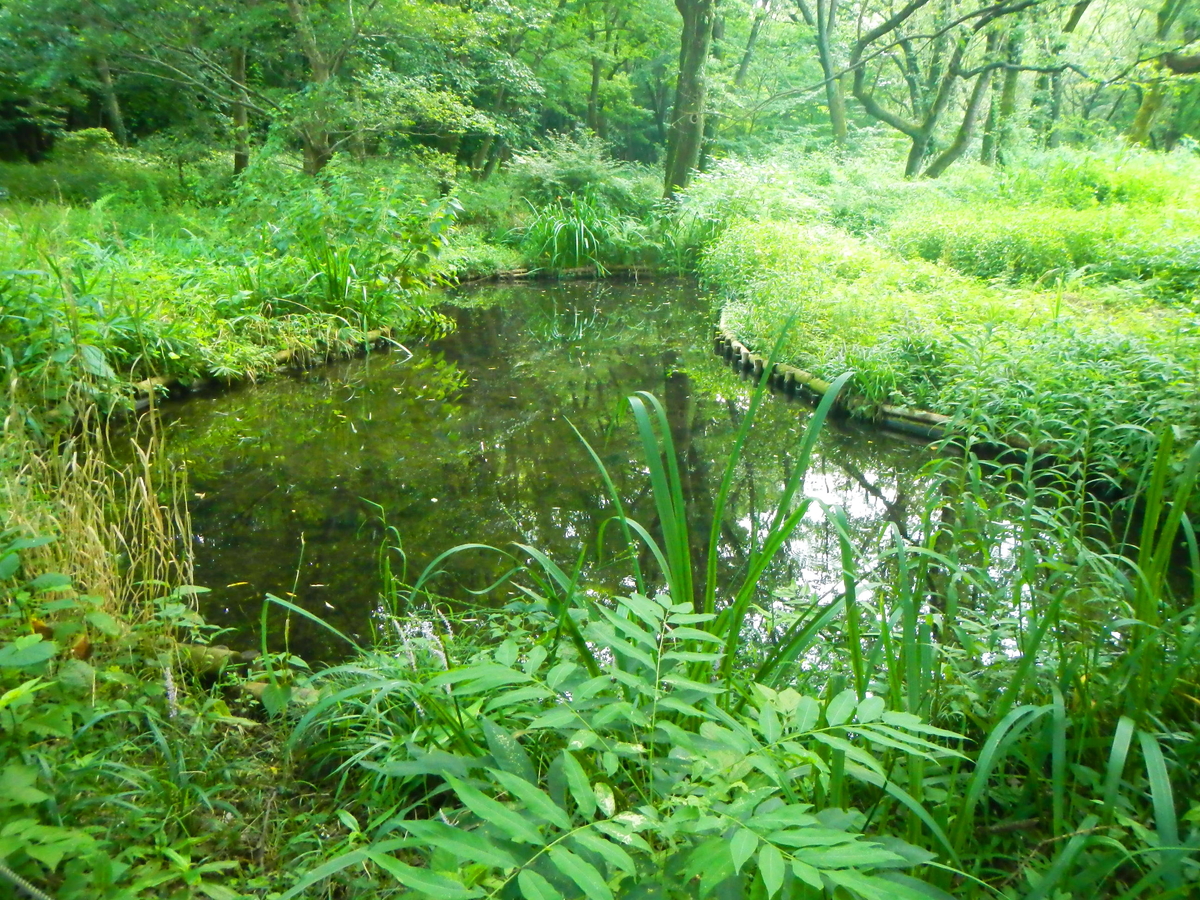
Park Pond
(Tokyo, Park Management) -
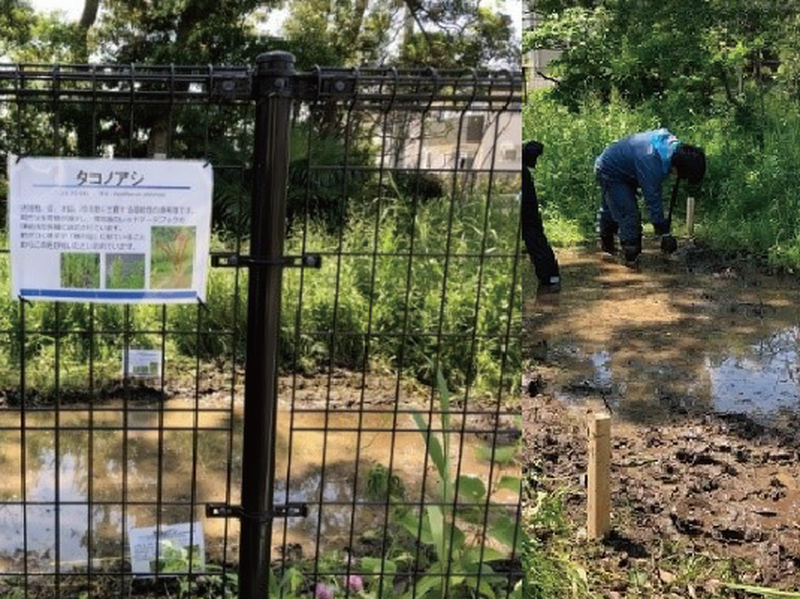
Penthorum sedoides
(Chiba Prefecture, Conservation Measure: Transplantation)
Notes
1. Depending on survey results, additional survey periods, extended survey durations, or detailed follow-up surveys may be required.
Examples: Distribution of rare species, raptor nesting sites, species that can only be observed during specific seasons, etc.
2. Some surveys require permits, and obtaining approval may take time after submitting an application.
Examples: Special fish collection permits, wildlife capture permits, specified invasive species, natural monuments, surveys within national or quasi-national parks, etc.
3. Since flora and fauna change over time through ecological succession, supplementary surveys or repeat surveys may be required if more than approximately five years have passed since the previous survey.
